5 Signs Your Cat Needs a Professional Groom
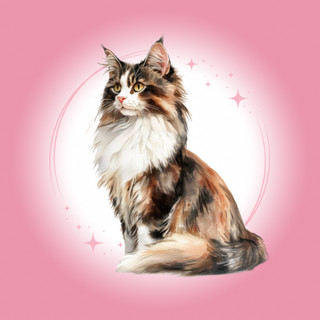
Cats are famously tidy, but even the most committed self-groomer can fall behind. A healthy coat takes work: licking, shedding, detangling, nail care, and keeping sensitive areas clean. When that becomes too much, the signs can show up in the fur, skin, claws, and behaviour.
A professional groom is not only about making a cat look neat. It can help remove painful mats, reduce excess shedding, keep claws under control, and spot coat or skin changes early. Some cats cope well with regular brushing at home. Others need extra help, especially long-haired breeds, senior cats, overweight cats, nervous cats, and cats with thick seasonal coats.
Here are five clear signs it may be time to book a professional groomer.

1. Your cat has mats or tangles you cannot gently remove
Mats are one of the clearest signs that a cat needs grooming help. They often form behind the ears, under the front legs, around the back legs, under the belly, and near the tail. These are areas where fur rubs together or where cats may struggle to reach.
Small tangles can sometimes be eased out with gentle brushing. But tight mats are different. They can pull on the skin, trap dirt, hide irritation, and make movement uncomfortable. A cat with mats may flinch when touched, avoid being stroked, or suddenly dislike brushing.
Never pull hard at a mat. Avoid using scissors close to the skin, as cat skin is thin and can be easy to nick. A groomer has the right tools and handling skills to remove mats safely, whether that means careful combing, clipping, or a full coat reset.
Watch for these matting signs:
Fur that feels lumpy or clumped
Flat, felt-like patches close to the skin
A cat that bites or scratches when one area is touched
Visible discomfort when walking, stretching, or lying down
If the skin underneath looks sore, broken, swollen, or wet, contact a vet before grooming.
2. Shedding has taken over your home
All cats shed, including short-haired cats. Seasonal shedding can be heavy, especially in spring and autumn. But if loose fur is everywhere, on clothes, furniture, bedding, carpets, and in tufts around the house, your cat may need more than a quick brush.
Excess loose coat can lead to tangles, hairballs, and a dull-looking coat. A professional groomer can remove dead undercoat more thoroughly than a standard home brush, using tools suited to your cat’s coat type. This is especially helpful for dense-coated cats, older cats, and cats that only tolerate brushing for a minute or two.
Heavy shedding can also have other causes, such as stress, skin problems, parasites, diet changes, or illness. Grooming can help manage the coat, but a sudden change in shedding or bald patches should be checked by a vet.
A groom may be useful if:
Your cat leaves fur on every surface
Brushing removes large amounts but never seems to help
Hairballs are becoming more frequent
The coat looks dull, dusty, or uneven
The goal is not to stop shedding completely. It is to keep loose fur under control and reduce the burden on your cat.
3. Your cat’s coat looks greasy, flaky, or unkempt
A healthy cat coat usually looks smooth and has a natural shine. If it starts to look greasy, clumpy, dusty, dandruffy, or separated into spikes, your cat may not be grooming properly.
This often happens when grooming becomes physically difficult. Senior cats can lose flexibility. Cats with arthritis may avoid twisting to clean their back or hips. Overweight cats may struggle to reach certain areas. Some cats also stop grooming well when they feel unwell or stressed.
A groomer can clean and refresh the coat, remove build-up, and help with areas your cat cannot manage alone. They can also tell you if the coat condition suggests something that needs a vet’s attention.
Common warning signs include:
Greasy fur along the back or tail base
White flakes in the coat
Dirt trapped around the rear end
A strong or unusual smell
Fur that stays scruffy even after your cat licks it
If the change is sudden, severe, or paired with weight loss, hiding, reduced appetite, or changes in litter tray habits, speak to a vet.
4. Nail care has become difficult
Cat claws grow in layers, and cats usually help shed the outer layers by scratching. Indoor cats, older cats, and less active cats may not wear their claws down enough. Some claws can become thick, curved, or sharp enough to catch in blankets and carpets.
Overgrown claws can press into the paw pad, affect walking, and make play or handling more painful. Long claws are also more likely to snag, split, or cause accidental scratches.
Many cats dislike having their paws handled, so nail trimming at home can become stressful. A professional groomer can trim claws calmly and safely, often as part of a wider grooming appointment. Some cats need a gradual approach, especially if they are nervous or have had bad experiences with nail trimming before.

Signs your cat needs nail help include:
Claws clicking on hard floors
Nails catching in fabric
Scratching that seems less effective than usual
Curved claws that look close to the paw pad
Reluctance to walk, jump, or play
Check paws regularly if your cat is older, indoor-only, or has extra toes.
5. Your cat becomes stressed or defensive when you groom at home
Some cats accept brushing calmly. Others tolerate it for a short time and then walk away. But if grooming at home regularly leads to hissing, biting, swiping, hiding, or panic, it may be time for professional support.
Stress matters. Forcing a cat through a difficult grooming session can make future handling harder. It can also damage trust, especially if mats are painful or nails are sensitive.
A skilled cat groomer understands feline body language. They know when to pause, how to handle a nervous cat, and which tools are least likely to tug. Many also use shorter sessions, quiet rooms, and low-stress handling to make the process easier.
Professional grooming may be the kinder choice when:
Your cat runs away as soon as the brush appears
Brushing leads to aggression or fear
You can only groom one small patch at a time
Mats are forming because home grooming is not possible
Your cat has a coat type that needs regular maintenance
For very anxious cats, ask the groomer how they handle nervous cats before booking. In some cases, a vet may be the best first step, especially if your cat needs medical support or sedation for severe matting.
A cat does not need to be show-ready to benefit from grooming. The real aim is comfort. If the coat is matted, shedding is heavy, claws are overgrown, or home grooming has become a battle, professional help can make daily life easier for both the cat and the household.
Start with a small, realistic routine at home: short brushing sessions, gentle paw checks, and regular coat inspections. When that is not enough, a calm, experienced groomer can step in before small problems become painful ones.